Choose the right bag for your pet food line
Plan custom printed bags for dry pet food and treats around your product, filling process, artwork versions, and next production run.
Start with the food, not a generic bag size
Kibble, training treats, and freeze-dried products do not necessarily fill the same space at the same weight. Send the product type, intended net weight, current bag dimensions, and a filled sample if available. Explain whether you want to match the package already in production or improve its fit. A useful bag specification considers the filled shape and usable space as well as the outside measurements.
Compare the pouch format with your packing process
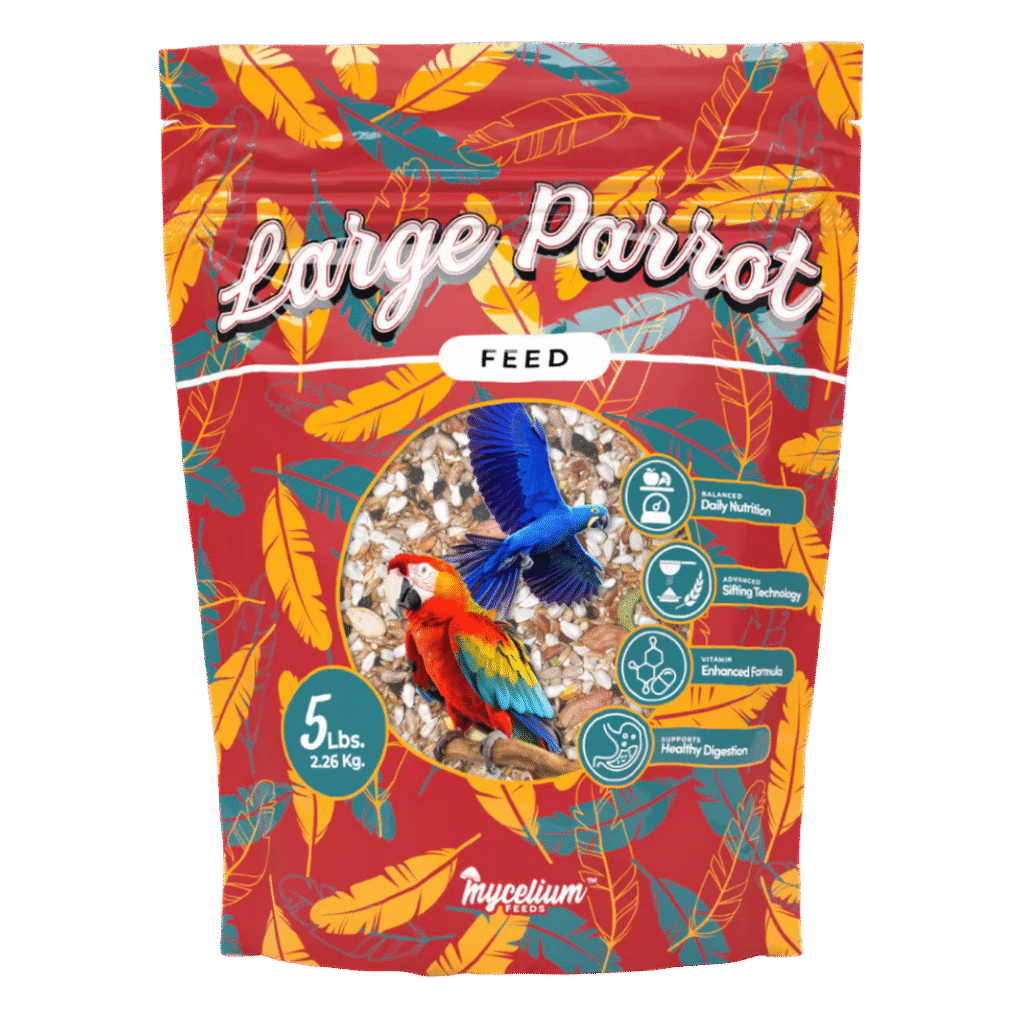
Resealable stand-up pouches can be a useful starting point for treats and smaller dry-food packs. Flat-bottom and gusseted formats provide other structures to discuss for the intended fill. Share how your team fills, seals, cases, and ships the product. Check the space needed above the fill, the closure position, and how the package stands when filled before approving the dimensions.
Choose the barrier and closure for the actual product
Dry pet-food packaging may need to resist grease, moisture, tears, and punctures. A resealable closure adds convenience, but it does not replace a properly specified original seal. Tell the team about the product, storage conditions, and filling equipment so the proposed construction can be reviewed. The word “Mylar” alone is not a complete material specification; confirm the film structure and performance requirements for your job.
Make every recipe and bag size easy to identify
Build a version list that pairs each recipe, flavor, and pack size with its artwork file and order quantity. Mark shared brand elements and the details that change. For an established line, include the current printed bags and identify the color or finish references you want to preserve. Keep a record of the approved specification with the artwork so reorders have a clear starting point.
Review the artwork on the complete package
Use the production template for the chosen bag rather than adapting a photograph of another pouch. Review the front, back, and gussets together. Keep important text and codes within the template’s usable print areas, with space for the seals and closure. Identify where your filling operation applies its lot or date information. Supply your approved product copy and check each version at actual size before signing off.
What to send for a pet food bag quote
- Product type, intended fill weight, and a current filled bag or sample
- Current dimensions, preferred pouch style, and closure requirements
- Any existing film specification or product-performance requirements
- Artwork files and quantity for each recipe and pack size
- Filling and sealing method, including equipment constraints
- Reorder expectations, required delivery date, and destination ZIP code
Switching from stock pouches or another printer?
Send the packaging you use now and list the changes you want. If you are comparing direct-printed bags with labels on stock pouches, ask for quotes built around the same quantities and versions. Include the label application work and handling in your comparison. Matching an existing bag is a different brief from developing a new format; make that distinction clear at the start.
Frequently asked questions
Can the same bag work for different recipes?
It may, but review each product’s fill, package dimensions, and material requirements. Keep the recipe-specific artwork and quantities clearly identified even when the physical bag specification is shared.
What minimum order and lead time should we expect?
Ask for a project-specific quote using the size, construction, print versions, and quantities you need. Confirm the production schedule after the specifications and approval steps are clear.
Does this guide cover wet food or retort pouches?
This guide focuses on dry pet food and treats. Wet food and retort applications need a separate review of processing conditions and package construction; do not assume a dry-food pouch is interchangeable.
Can we reuse our existing artwork?
Send the current files and a printed sample. Once the bag structure is confirmed, adapt the artwork to its production template and identify any changes before proof approval.
Ready to plan the next run?
Send your current sample or artwork, quantities, and delivery requirements. Pacer Packaging is based in Simi Valley, California. Include your delivery ZIP code so our team can review the project and shipping requirements.
